ANZ IT channel partners admit security skills gap
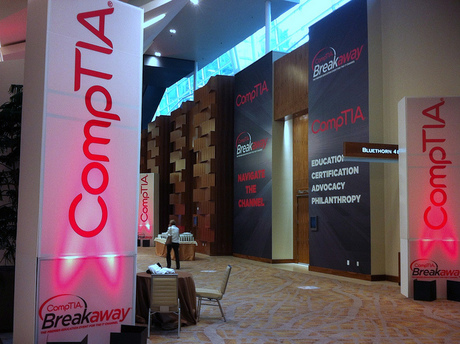
An overwhelming 86% of attendees to the recent ANZ Channel Community March meetings felt there is a security skills gap in their organisation, according to organisers CompTIA.
Nearly as many (81%) have a plan in place to minimise this gap over the next year by partnering with other companies.
Attendees felt that the areas of cloud and mobile are the most important security skill areas for organisations to have. Other important skill areas include backup and disaster recovery, email security, education, identity and access management and risk management.
At the meetings, panellists from Cisco, FireEye, Intel and CyberArk discussed the future of the security landscape in Australia and New Zealand.
Discussions covered the ongoing evolution of the threat landscape and the likelihood of technologies including mobile devices to be coming under greater attack over time.
The panel concluded that IT channel partners should have meaningful conversations with customers about the threat landscape so they can build a team with the talent required to address their needs. Educating customers about their risk profile is another crucial step.
“Unsurprisingly, social media [also] featured prominently in the discussion. The proliferation of social media platforms continues to provide an extremely effective way of duping someone into releasing sensitive information or cracking login credentials,” CompTIA ANZ Community Director Moheb Moses said.
“It’s no longer an acceptable practice simply to lock down social media platform usage among employees. Instead, organisations need to provide training for, and put trust in, their employees. To make this strategy work for everyone, it is essential to put in place a clear agreement between the organisation and the employee about how to handle social media.”
The non-human face of security threats: why identity has become critical infrastructure
As AI becomes more autonomous, identity governance must account for what those systems can...
Beware the token trap: cutting costs could boost security risks
Agentic AI is becoming central to enterprise operations, making cost control essential, but...
Cybersecurity's next challenge: knowing what to trust
Cybersecurity is no longer only about keeping attackers out, but also trusting the data,...